Menu Close

WHO WE ARE

SIO-Ghana’ is a Non-Governmental Organization dedicated to the lives of children, the youth and the poor and vulnerable. It is an organization working to empower adolescent boys and girls but with much emphasis on girls. Our primary focus is to revive the culture where young adolescents see the virtues of keeping themselves pure.  We exist to help young adults unearth their talents by given them the necessary encouragement and all the support they need.

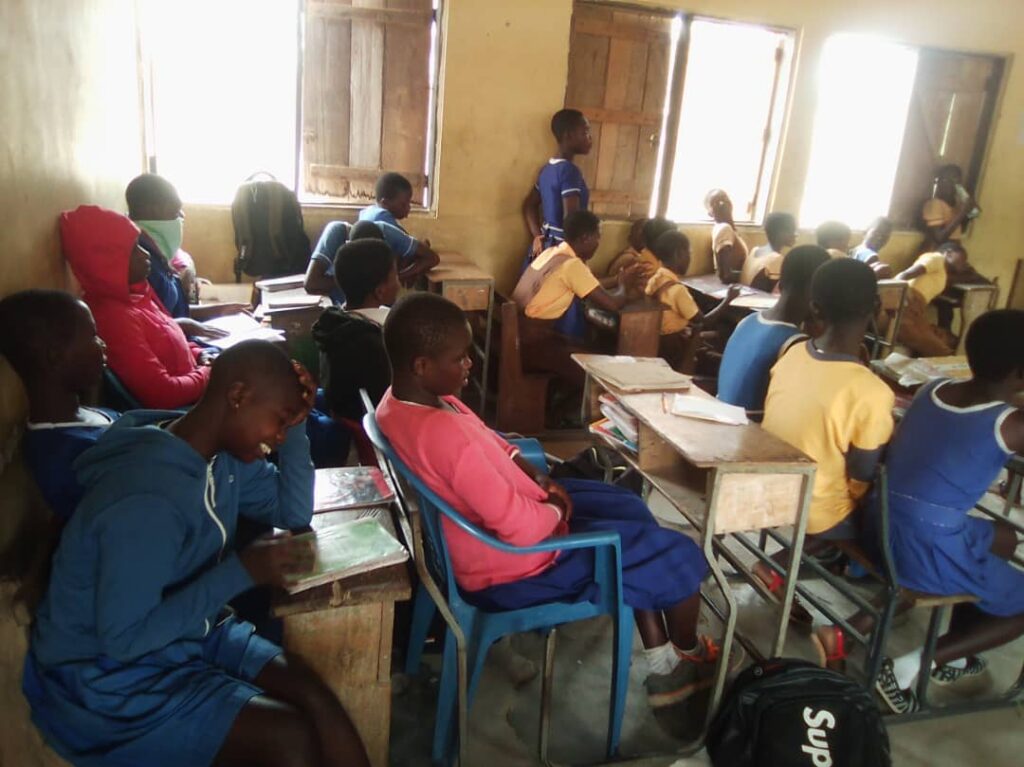
We alsoexist to help disadvantaged and vulnerable children living in rural areas have access to quality education, with this we aim to provide the resources needed to educate impoverished children so that they might develop the tools for a brighter tomorrow. For so many children education is the way out of poverty. We reach out to the most deserving by funding beneficiaries with educational logistics such as books, uniforms, learning materials.

Our mission is to build on the importance of schooling by ensuring that young people achieve their objective of attaining higher education whiles at the same time encouraging them to abstain from sexual and social vices.

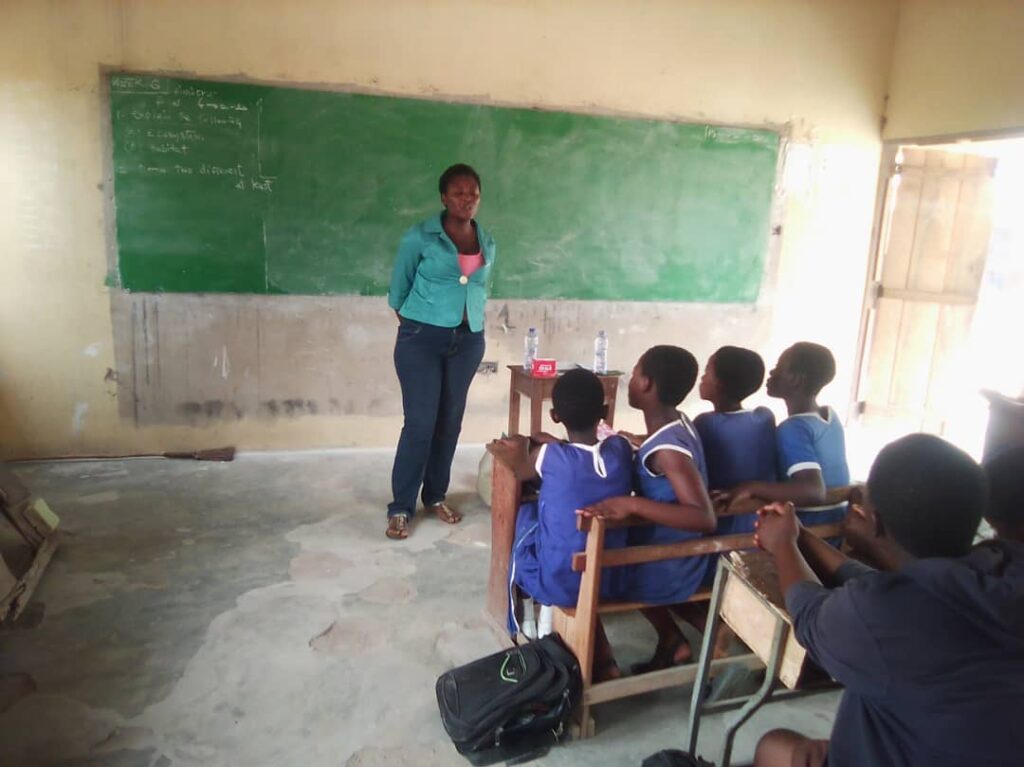
Our empowerment programs target adolescents in identified communities, various churches, Primary and Junior High Schools.
In 1990 the convention on the rights of the child declared that children (0-18) had the right to information and services to survive and to grow and develop to their full potential. In 1994 the international conference on population and development ‘s program of action called for the sexual and reproductive health of adolescent (10-19 years) and young people (10-24years) to be met.

The Millennium Development goals report published by United Nations 2011 reiterated the point that: “reaching adolescents is critical to improving maternal health and achieving other millennium developments goals.

Ten years after the International Conference on Population and Development, sexual and reproductive health issues concerning adolescent in sub-Sahara Africa have become even more critical than in the 1990s. By the end of 2005, an estimated 4.6% of females and 1.7 %of males aged 15-24 years were living with HIV in sub-Sahara Africa. About one out of every 10 women experienced a pre-marital birth by age 20. 

In Ghana the estimated HIV prevalence rate among 15-24 year olds was 3.4%in 2002. In the 2003 Ghana demographic and health survey 0.3 %of 15-19 year olds and 1.2% of 20-24 year olds were tested positive to HIV.

According to a 1996 report on the assessment of sexual and reproductive health needs of adolescents, only 16 % of adolescent could correctly identify when during a woman’s menstrual cycle, she was most likely to become pregnant. Among those girls who had had sex before, only 22% knew when a woman could get pregnant. Such inadequate knowledge of the menstrual cycle of women among young adults limits their ability to take appropriate and responsible measures in sexual encounters. Such situations could lead to unplanned pregnancies.

There is a wide gap between knowledge and practice of modern family planning methods among 15-24 year olds in the country. In both the 1993 and 1998 Ghana Demographic Health Survey, over 80 % of the females in both groups knew of at least one modern contraceptive method. However, in both surveys only 5%of 15-19 year olds and 8-10% of the 20-24 year olds were using any modern contraceptive method at the time of the survey.

Although young female adults constitute half of the adolescent population they suffer from disparities in education, health and employment. Young girls are less likely to be enrolled in school, more likely to be married at an early age, less likely to have access to available resources and are more likely to be employed in low paying jobs.

Official recorded information of the incidence of HIV/AIDs in Ghana shows that adolescents and young adults are among the most infected. Over 50 % of all reported AIDS cases are females aged 20 – 29 years and males aged 30-39 years. This implies that for females, infection takes place at less than 20 years whiles the males are infected when they are in their early 20s.

Giving the situation, achieving a number of the targets under the Millennium Development Goals will include addressing the sexual and reproductive health needs of young people who are considered the “window of hope” in the fight against the HIV epidemic.